Advaya presents / your first band
Less watching.
More playing.
No experience. No downloads.
Just you, a few strings, and a little curiosity.
ADVAYA PLAY ROOMMADE FOR YOUR FIRST NOTE
SIX STRINGS. ENDLESS POSSIBILITIES.
The acoustic corner
Start here: tap a chord below.
Then strum and make it yours.
Tuning your guitar...
STRING DIARYReady to playTap a chord or pluck a string
Choose a chord
Explore the fretboard to change notes. Keyboard: focus a string, use arrow keys, then press P to pluck.
FIND YOUR POCKET.
Take the drummer's seat
Tap the kit to hear each piece.
Light up the steps to build a beat.
Kick
Snare
Hi-hat
A MELODY AT YOUR FINGERTIPS.
Make room for a melody
Tap the ivory or ebony keys.
Or focus the piano and use A, S, D...
ADVAYA STAGE KEYS
PLAYWARM ELECTRIC
Try C, E, G, then A, G, E. There are no wrong first notes. Turn on Record to add your melody to the loop.
SMALL CONTROLS. BIG DIFFERENCE.
Bring the band together
Start a beat, then turn on Record.
Play another instrument to layer it in.
One bar. Your band.
Record adds your notes to a repeating 16-step loop. Each pass adds another layer, snapped to the beat.
Try another idea
Load an original starter groove, or clear the band and build your own from silence.
100 BPM 1 BAR / LOOP
Sound starts when you play. Synthesized instrument sounds. No microphone or sign-up needed.
A little play can be the start of something.Learn how to do this IRL.
Join us at Advaya Music Academy01 / The academy
Advaya Music Academy: music classes in Sahakar Nagar, Bengaluru. A place where passion meets precision.
A place where passion meets precision.
Sahakar Nagar · Bengaluru
We offer instruction in musical instruments, music theory, vocal coaching, and art. Classes take place in dedicated, soundproofed spaces, with preparation available for applicable Trinity College London examinations.
02 / What we believe
Music is not a gift.
It is a craft.
Music should be a joyful process, not a chore. We believe learning an instrument builds discipline, boosts confidence, and offers a lifelong creative outlet. By blending structured international syllabus with a warm, patient teaching style, we strive to make every lesson a positive step forward—one note, one rhythm, and one student at a time.
Sahakar Nagar · Bengaluru
Advaya Music Academy / Bengaluru
Find your place in music.
Master an instrument, music theory, vocal coaching, and art classes — all here.
Beginner to advanced
Piano
For beginners, we build a rock-solid foundation covering posture, hand shape, basic rhythm, and note-reading.
Intermediate and advanced students dive deeper into complex technique, advanced chord voicings, stylistic interpretation, and structured preparation for TRINITY exams.
The idea
A place where passion meets precision.
Music is not a gift some people are handed and others are not. It is a craft, and crafts are taught. At Advaya, students learn in dedicated soundproofed rooms with teachers whose published profiles include graded music qualifications. Instrument study can be paired with foundational theory and preparation for applicable graded examinations.
I
Start from wherever you are
The academy's teachers describe taking students from absolute beginners through to advanced learners, across every age group. There is no entry level to clear before you begin. In practice that means a first lesson is spent finding out what a student can already do rather than testing them against a syllabus — whether that is a child who has never touched an instrument, a student who has learned by ear and cannot yet read, or an adult returning after years away. The starting point is diagnosed rather than assumed.
II
Learn from a graded teacher
The faculty hold the qualifications they teach towards. The teachers’ published profiles list graded music qualifications — Trinity grades, and advanced LCM grades in the case of guitar — so exam preparation here comes from people who have sat the examinations they are preparing students for. It also means a teacher can say honestly when a student is not yet ready for the next grade, which is more useful than being entered early.
III
Take the theory with it
Theory of Music is taught at the academy alongside instrumental lessons. It is the written half of the craft, and the half every graded exam rests on. In practice it is what turns a piece from something memorised into something understood: rhythm read rather than copied, a key signature recognised rather than guessed, a chord named rather than stumbled upon. It is also the part of the work that transfers between instruments, so nothing learned there is wasted if a student changes direction later.
IV
Prepare for graded music exams
Where applicable, students can follow structured preparation for Trinity College London examinations alongside their regular lessons. A graded exam is a deadline with a published standard attached, which is why it motivates: set pieces, technical work, supporting tests and sight-reading, assessed by someone who has never met the student. It is not compulsory, and a student with no interest in examinations can learn a great deal without ever entering one. Where a student does want to be entered, the teacher judges readiness together with the family, and the office can confirm the current entry arrangements, since dates and fees are set by the examination board rather than by the academy.
The people behind the practice.
Open a biography to meet your faculty.
BhairaviWestern Vocals
With a soothing voice and a dedicated instructor, she is passionate about exploring diverse musical styles. Backed by years of experience in vocal practice and performance, as well as considerable experience teaching basic to advanced levels and the Trinity curriculum.
Arjun NairViolin
An accomplished stage performer with a wealth of live show experience, who brings real-world artistry directly to the classroom. Patient, encouraging and deeply passionate about the craft; lessons focus heavily on building expressive tone, proper bowing mechanics and stage presence.
ChethanDrums
Known for his dedication and versatility, Chethan is a rock enthusiast with a strong focus on Trinity Rock & Pop. He specialises in drums, teaching students of all ages and catering to every student's musical needs, from beginners to advanced learners. He plays keyboard as well.
Abhiman RGuitar & Ukulele
An energetic and knowledgeable guitar teacher who has earned his advanced LCM and Trinity grades in guitar. He has a strong background in mentoring students of all ages and inspiring them to grow in confidence. Besides teaching, he is a music producer and a collaborative performer.
Pavan SagarKeyboard & Piano
A dedicated piano and keyboard teacher, known for his warmth, patience and genuine love for music. Holding Trinity grades with years of experience, he brings both skill and passion into every lesson. Besides instruments he teaches Theory of Music, and prepares students for Trinity exams.
Meghashree NadigCarnatic Vocals & Veena
Blessed with a deeply calming voice and an unwavering commitment to teaching, she brings a rich background in traditional classical performance to her lessons. Her expertise runs across every stage, from absolute beginners to advanced disciples of all ages. Apart from vocals, she has also mastered the veena.
William VimalGuitar
An accomplished and passionate guitar teacher who has completed his Trinity grades, with more than ten years of experience in both teaching and collaborative performance. He also has significant experience managing sound equipment, and carries out instrument repair and servicing.
KavithanjaliArt & Craft
Warm and encouraging, her teaching centres on unlocking each student's distinct creative signature. Students dive into composition, texture and hands-on project work in a supportive environment. Her patience, dedication and keen eye for potential draw out the absolute best.
YashaswiniOffice In-chargeContact the office
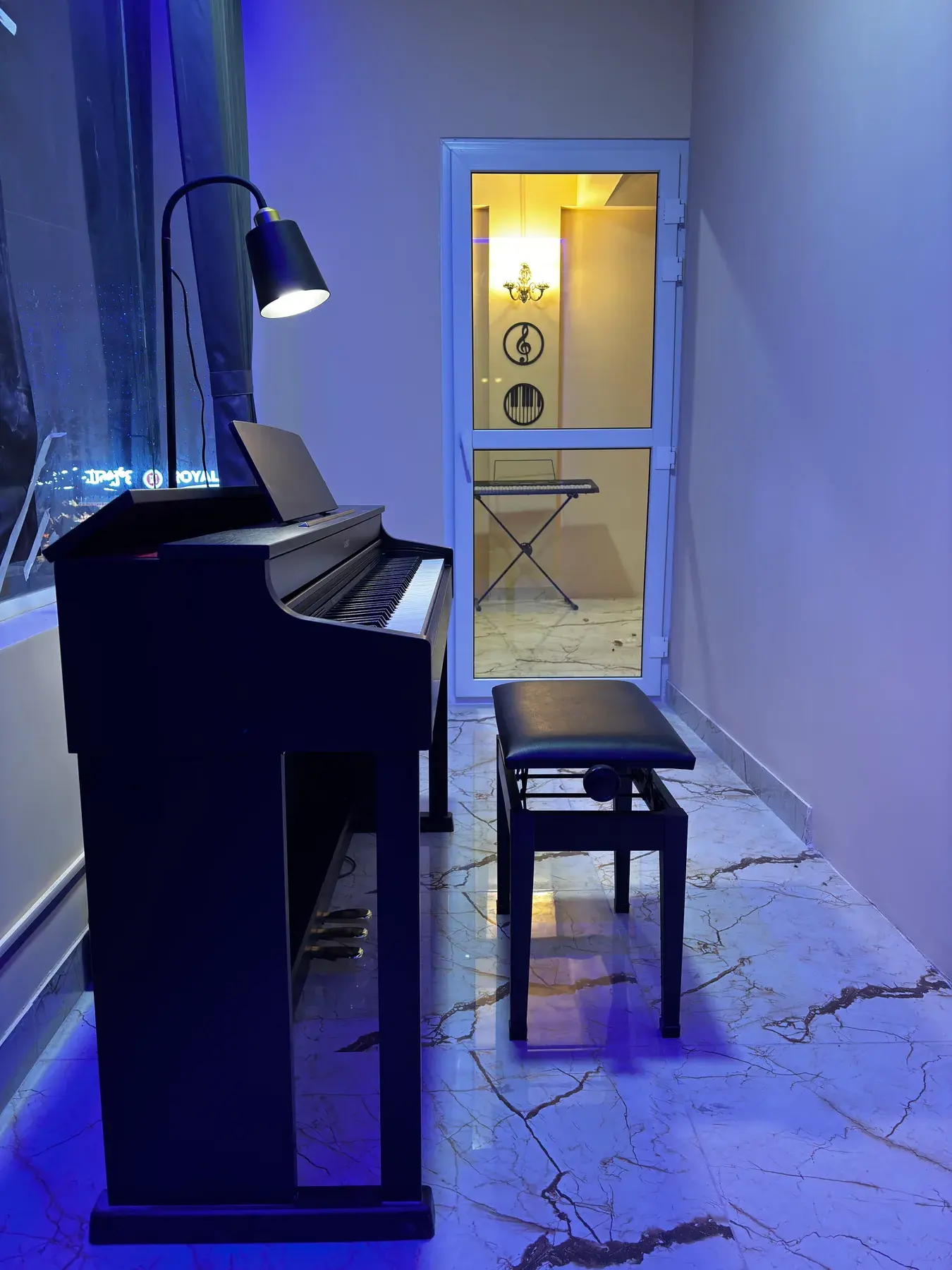
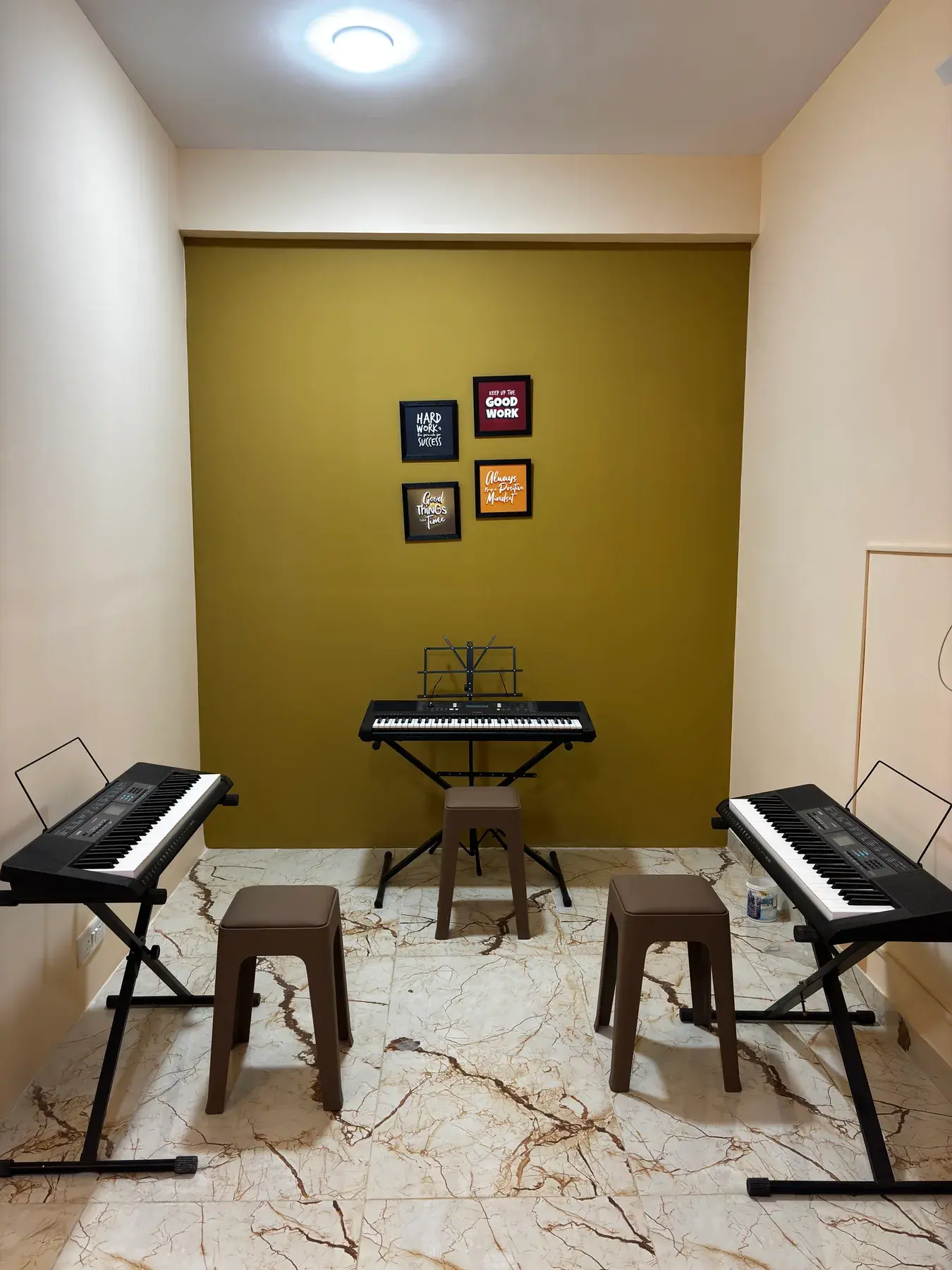
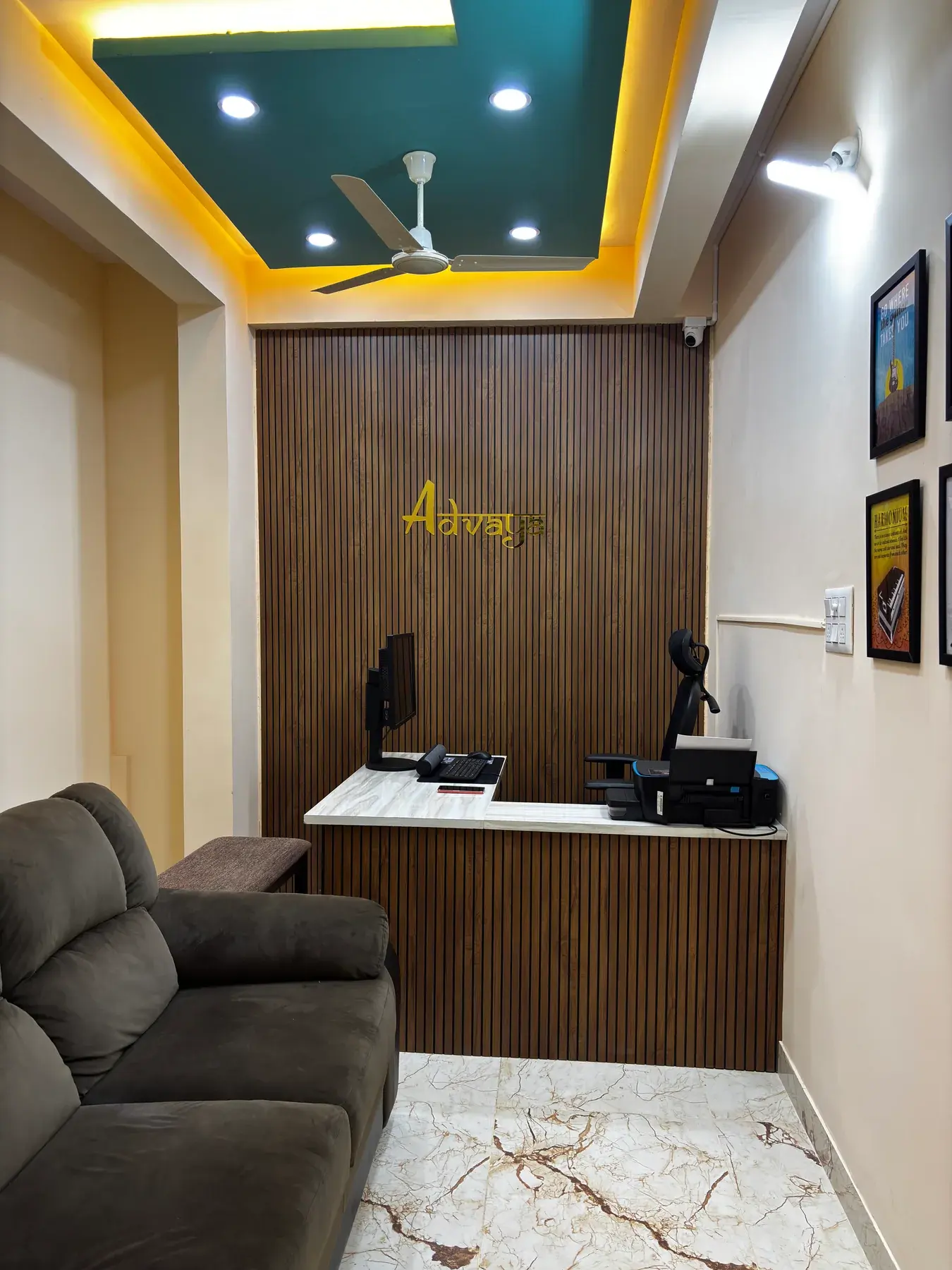
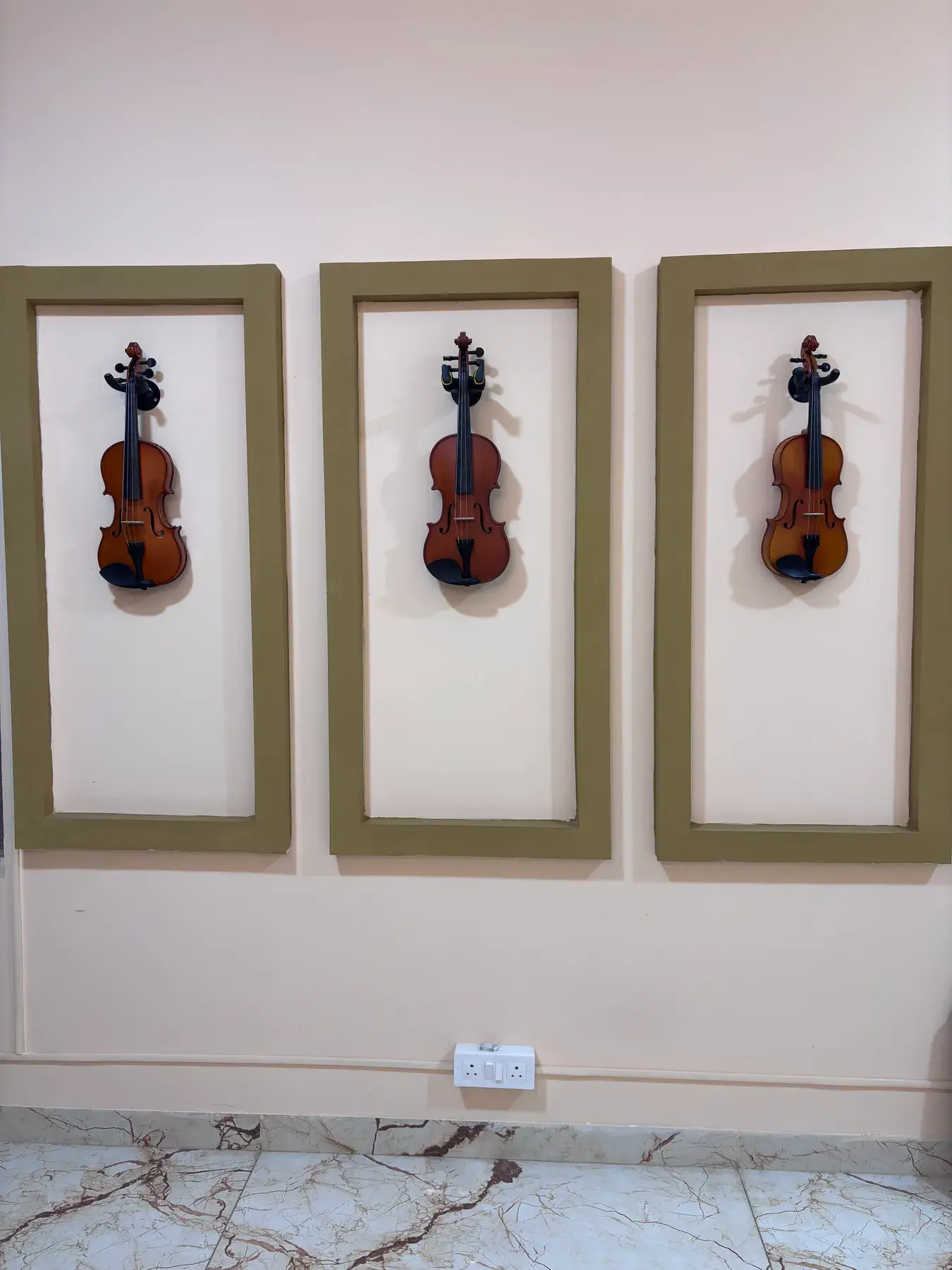
Inside Advaya
Rooms made for making music.
Purpose-built, soundproofed spaces for individual practice, lessons, and ensembles.
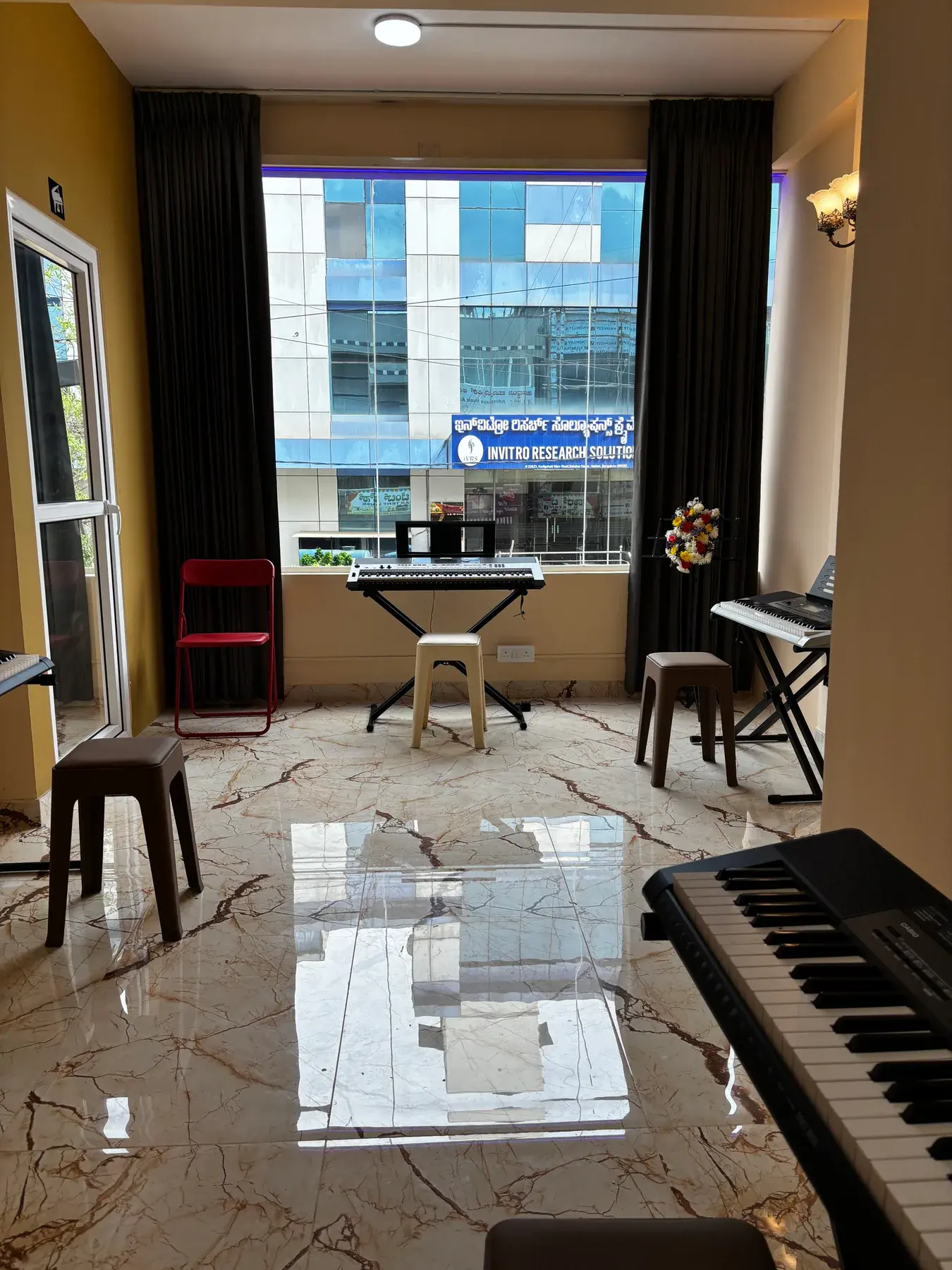
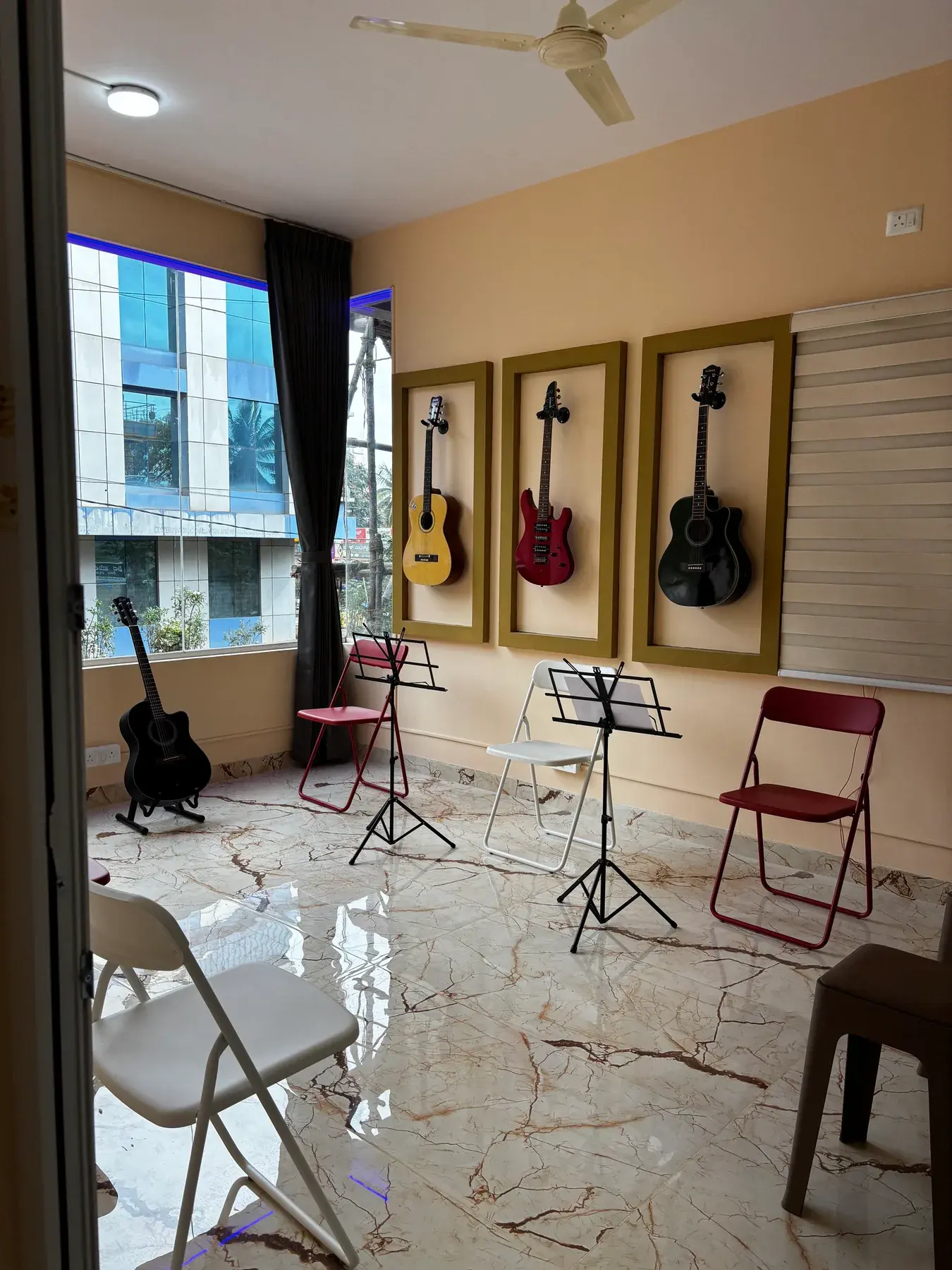
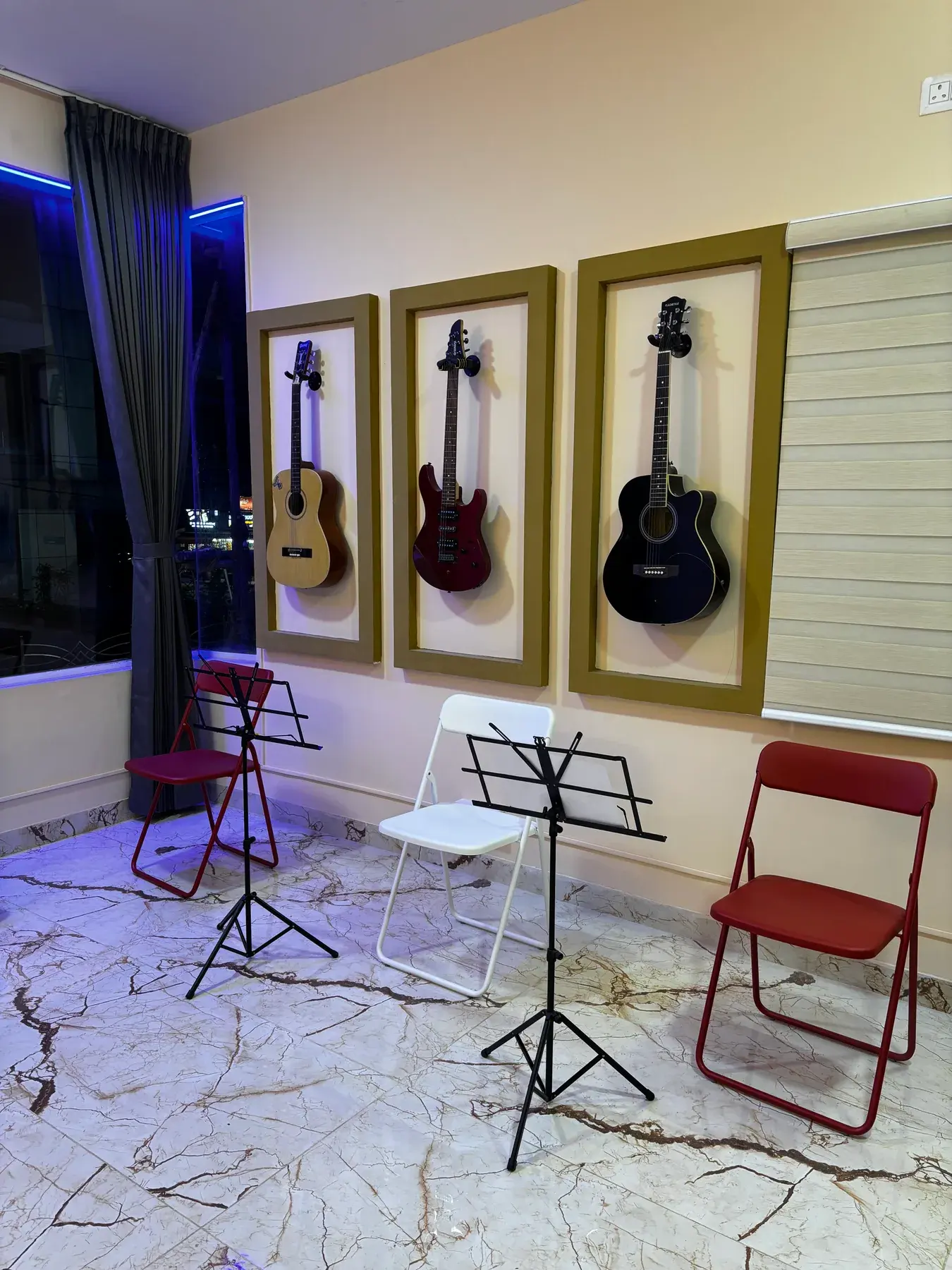
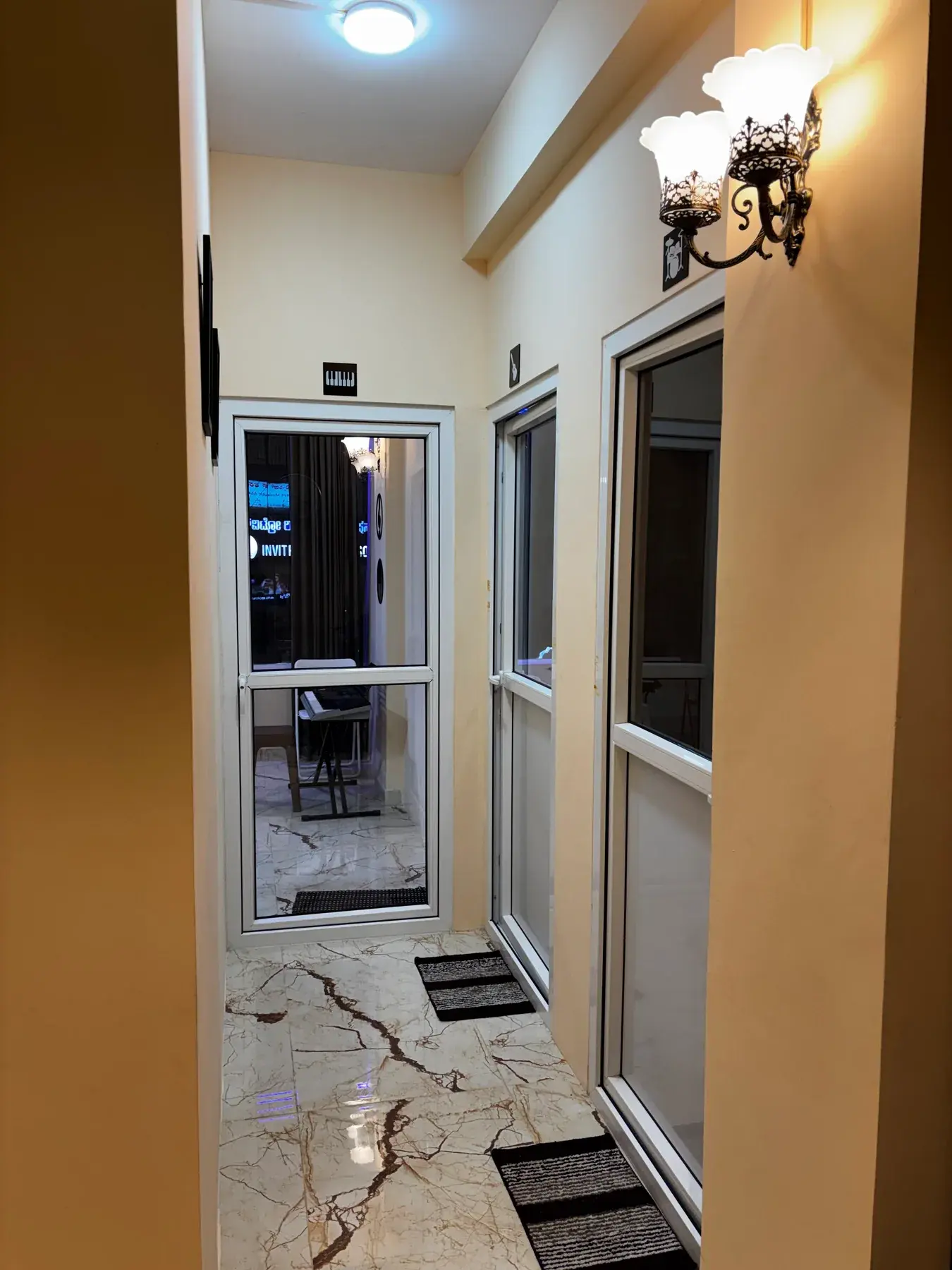
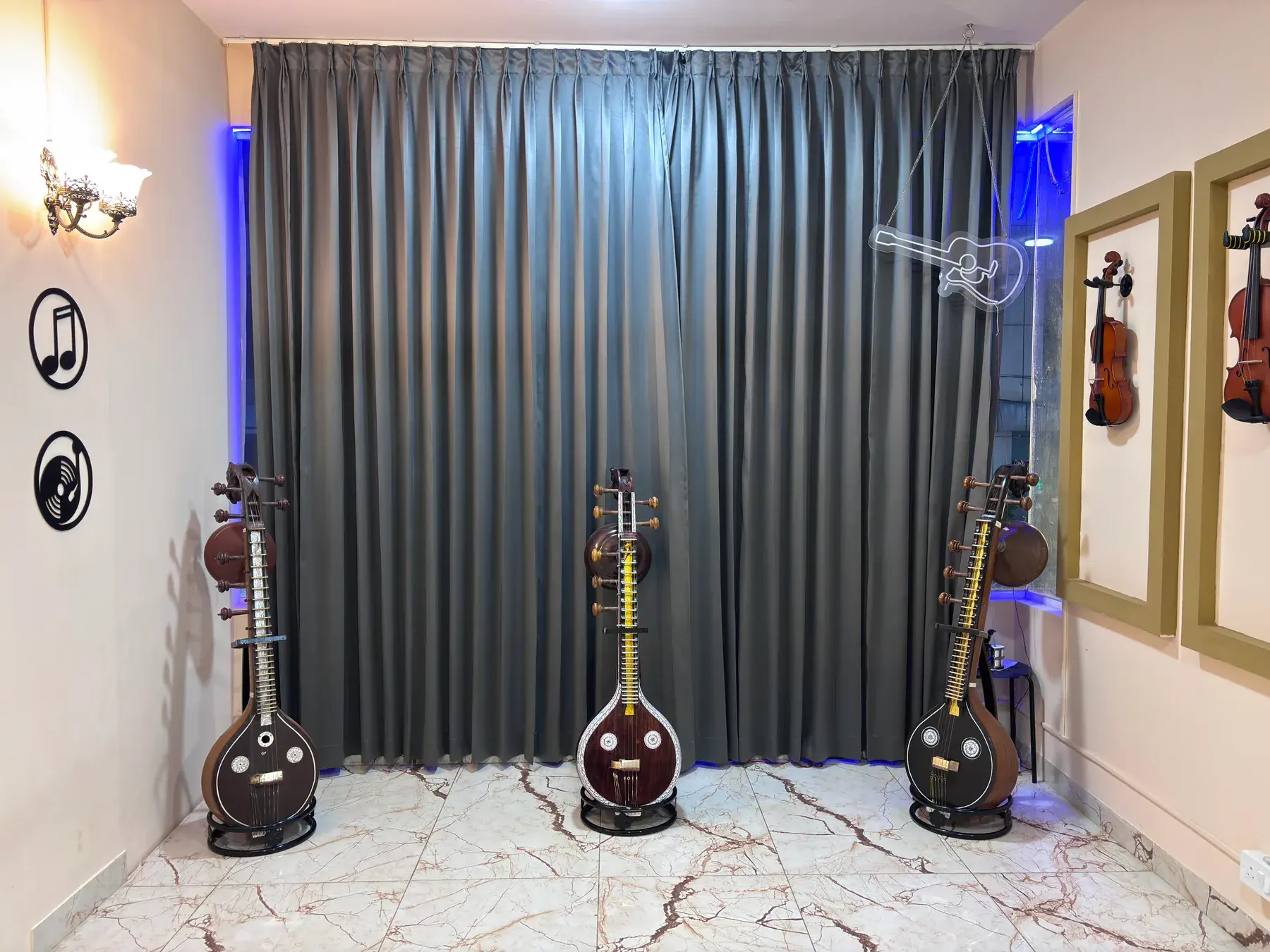
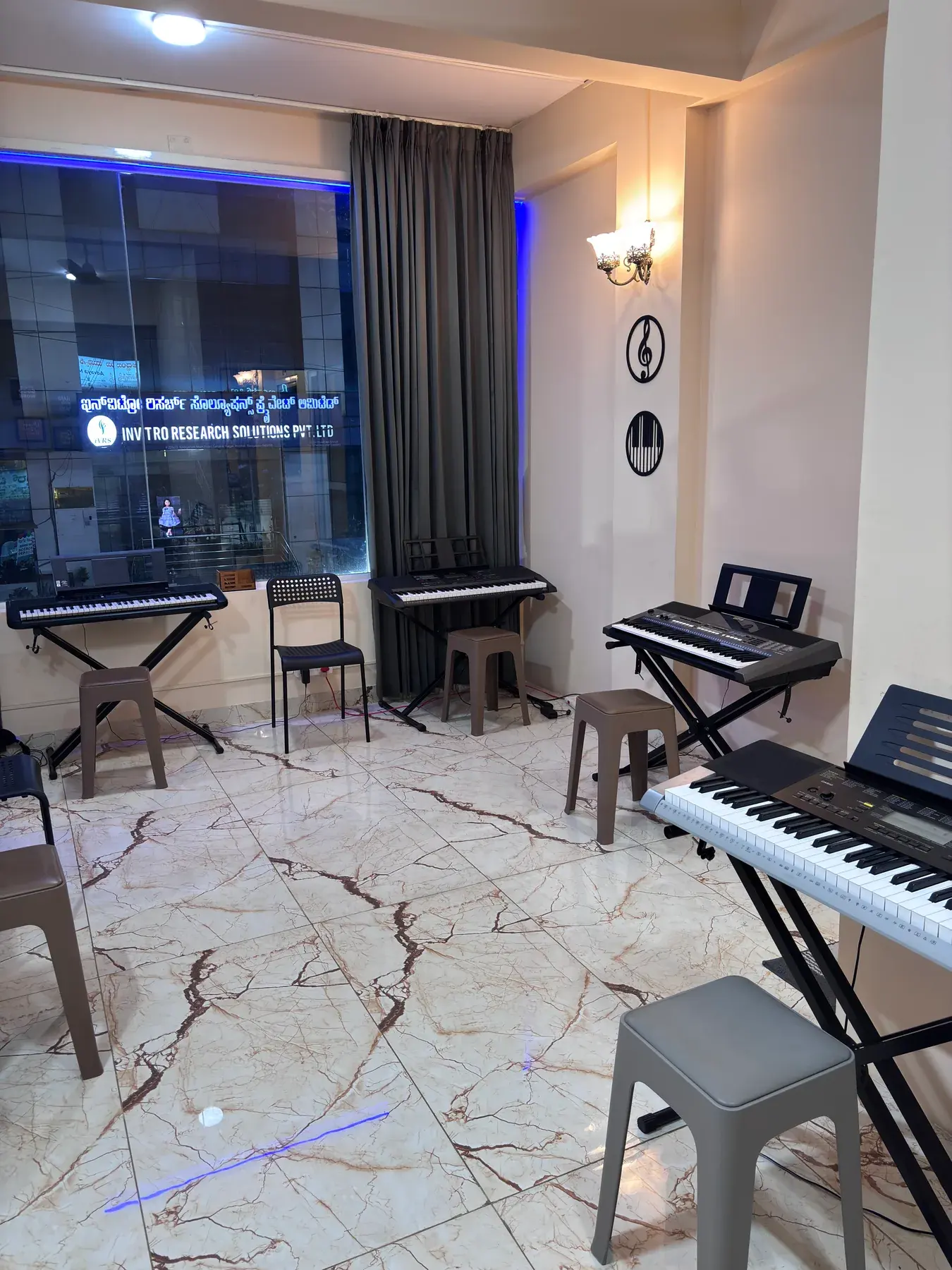
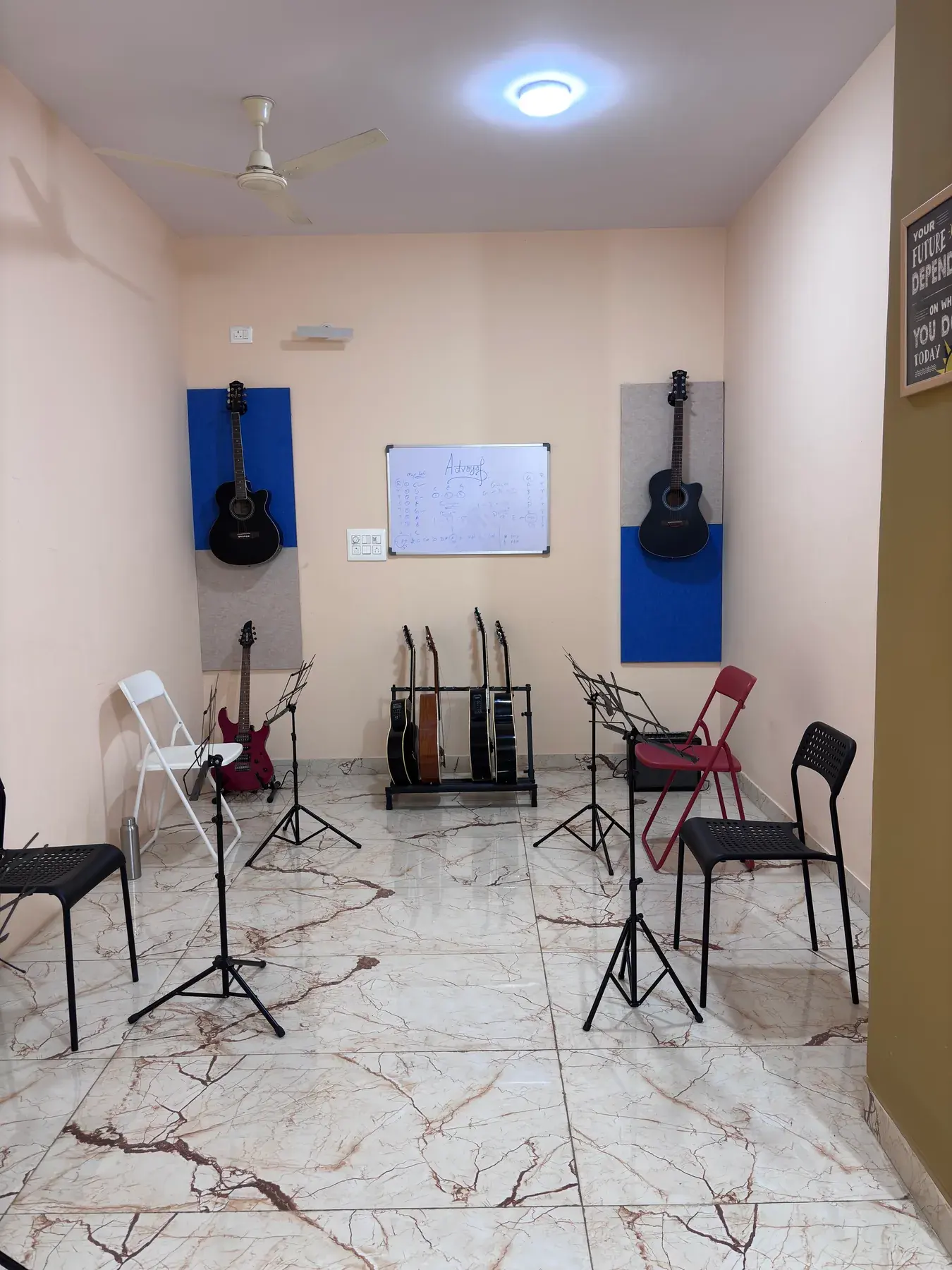
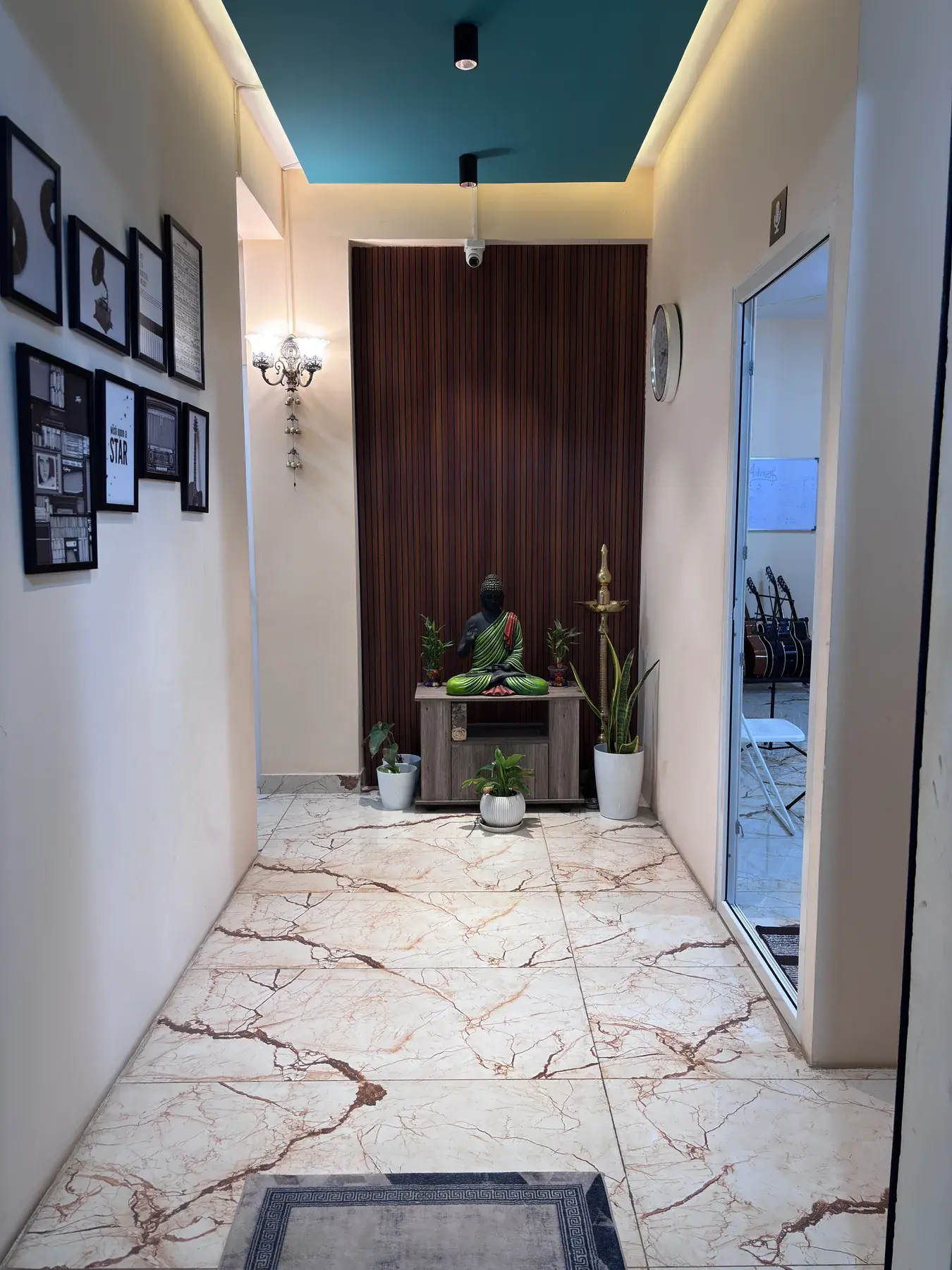
In their own words.
5.0 / 5 from 32 public reviews
Review 1 of 10
My daughter has been taking piano lessons with Pavan Sir for the past four years, and the experience has been outstanding. His patience, attention to detail, and passion for teaching truly set him apart. Although her classes are online, they consistently feel like in-person sessions because of his interactive and caring approach.
Testimonials published by the academy. Read more on Instagram
Before you begin.
No guesswork. Just what the academy has published.
Do I need any experience to start?
Not at all! You do not need any prior musical experience to begin your journey at Advaya Music Academy. Our beginner-friendly programs start from absolute scratch. We provide a clear, structured roadmap that introduces music fundamentals gradually, helping you build solid technique and confidence from day one.
How old do students need to be?
We teach students of all ages, starting from young children all the way up to adults. We love to have a quick chat or a trial session to see if a child is truly ready to dive in. Give us a call, and we’ll give you an honest, straightforward recommendation.
Do you prepare students for exams?
Yes, absolutely! We provide structured preparation for recognized international board examinations, specifically Trinity College London. Our curriculum guides students step-by-step through practical pieces, technical work, sight-reading, and music theory to ensure they feel fully confident and well-prepared.
Is music theory taught as well?
Yes, music theory is fully integrated into our lessons. Students learn essential rudiments like reading sheet music, rhythm, and notation alongside their practical instrumental training. Trinity also examines Theory of Music as a separate written subject for students who want the qualification in its own right. The practical benefit of theory is speed: a student who can read rhythm and recognise a key signature learns new pieces in fewer attempts, and the supporting tests inside graded practical exams rest on exactly this material.
Can lessons happen online?
Yes, we do both! We offer flexible learning options with high-quality online lessons as well as in-person classes right here at our studio, allowing you to choose the format that best fits your schedule and lifestyle.
What if my instrument needs work?
William, who teaches guitar, has significant experience managing sound equipment and carries out instrument repair and servicing. Ask at the studio. It is worth asking earlier than most people do. An instrument that will not hold its tuning, a guitar whose strings sit too far off the neck, or a violin with a badly fitted bridge makes a student feel they are failing when the problem is the equipment. Bring it in and have it looked at rather than practising around it.
How do I enrol, and what does it cost?
We’d love to guide you through our fees and current schedule! Since schedules and program options vary, please drop us a message or call us at +91 91138 85683 (or email askadvayaacademy@gmail.com), and our office will get right back to you.
Do we need to own an instrument before the first lesson?
You do not need to have bought anything in order to come and talk to us, and for some subjects you will not need to buy much at all — a drummer can do a great deal of early practice on a practice pad, and theory needs little more than paper. But practice between lessons is what makes lessons worth paying for, so for most instruments you will want something at home fairly early on. It is worth asking before buying rather than after: the right fractional size of violin for a child, whether a keyboard's keys are touch-sensitive, and how a guitar has been set up all make a real difference to how quickly a beginner progresses, and they are easy things to get wrong in a shop. Call the office on +91 91138 85683 or send a message first, and tell us the student's age and the subject.
Which instrument should my child start on?
There is no single right answer, but there are useful tendencies. Piano and electronic keyboard lay out the structure of music visibly and are kind to beginners who want to hear real music early. Ukulele is the fastest route to playing a song and is gentle on small hands. Drums suit a child with energy to spend and a strong instinct for rhythm. Violin and veena ask for more patience at the start and repay it later. Singing requires no purchase at all. The most reliable signal, though, is what the child is actually drawn to — a child who chose the instrument practises, and a child who did not usually does not. We teach eleven subjects in one building in Sahakar Nagar, so tell us about your child and we will give you a straight recommendation rather than steer you towards a particular class.
How long are lessons, and how often do they run?
Lesson length, frequency and the current timetable are set by the academy rather than published here, and they vary by subject and by a teacher's schedule. Please call +91 91138 85683, message us on WhatsApp, or email askadvayaacademy@gmail.com, and the office will tell you which slots are open for the subject you want, what the arrangement would be, and how a missed lesson is handled. Asking also lets us find a time you can realistically keep, which matters more than almost any other scheduling consideration — a lesson that clashes with homework or with Bengaluru traffic tends not to survive the term.
Can adults start as complete beginners?
Yes. The faculty here describe teaching students of all ages, from absolute beginners through to advanced learners. Adults tend to learn differently from children rather than more slowly: they understand an explanation faster, they are better at structured practice, and they are usually harder on themselves than they need to be. The real constraint is time rather than ability, and a short daily practice — even fifteen honest minutes — does more than an hour the night before a lesson. Adults who played as a child and stopped often find that the reading comes back before the technique does. If you are weighing it up, call and say what you used to play and what you would like to be able to do.
What happens in a first class, and can we try before enrolling?
We are glad to have a quick chat or a trial session so that everyone can see whether it is a fit — particularly for a young child, where the question is readiness rather than ability. A first session is usually spent finding out what the student can already do, trying the instrument in the room, and explaining what the first few months would actually involve, so that you leave with a realistic picture rather than a sales pitch. The specific terms of a trial, including availability and any charge, are best confirmed with the office on +91 91138 85683, as they depend on the subject and on the teacher's schedule.
How do the Trinity exams work?
Trinity College London sets graded examinations in music, and the academy prepares students for them where they apply to the subject. A graded practical exam is typically built from set pieces, technical work such as scales and exercises, supporting tests, and sight-reading, with the balance differing between syllabuses — the Rock and Pop syllabus used for drums, for instance, works with songs played against backing tracks alongside session-style tests. Theory of Music is examined separately as a written subject. Grades are not school years: a student enters at the level they are genuinely ready for, which is a judgement the teacher makes with you rather than a fixed annual timetable. Entry windows, fees and examination venues are set by Trinity and its centres rather than by the academy, so ask the office for the current position before planning around a date.
How much practice is expected at home?
Frequency matters more than duration, at every level. Short daily practice gives the hands and the ear the repetition they need to consolidate between lessons, whereas one long session the day before a lesson mostly produces frustration. For a young beginner, a few focused minutes on most days is a reasonable starting point, and it should feel achievable rather than heroic — a routine that survives a busy week is worth more than an ambitious one that collapses in it. Your teacher will set what is appropriate for the subject and the stage, and will usually be specific about what to practise rather than for how long. If practice at home has stalled, say so; it is a normal part of learning and it usually has a fixable cause.
What do we need for online lessons to work well?
Lessons run either at the studio in Sahakar Nagar or over video, and parents of online students describe sessions that consistently feel like in-person ones. What makes the difference at your end is simple and worth setting up once: a stable connection, the device placed so that the teacher can see hands and posture rather than only a face, sound that is not fighting the room, and a space where the student will not be interrupted. For a young child, an adult nearby for the first few lessons helps more than any equipment. Written subjects such as Theory of Music translate to video particularly well. If you are unsure whether your subject suits online study, ask us and we will say so honestly.
Where exactly is the academy, and is it easy to reach?
The studio is at No. 52/1, 1st Floor, 20th Cross Road, near Royal Mart on Kodigehalli Main Road, in CQAL Layout, Sahakar Nagar, Bengaluru 560092. Royal Mart is the landmark to navigate by, and the Google Maps link on this site opens the exact pin rather than an approximate area. It sits in north Bengaluru and is reachable from Sahakar Nagar, Kodigehalli, Byatarayanapura, Hebbal, Jakkur and Yelahanka. For anything about parking, the nearest place to drop someone off, or access to the first floor, call the office on +91 91138 85683 before a first visit and we will tell you exactly what to expect.
Do students get to perform?
Performing is a different skill from playing, and it is learned by doing it; several of the teachers here are active performers and bring that experience into lessons. What the academy is running at any given time by way of recitals, in-house showcases or public events is best confirmed with the office rather than assumed from a website, so please ask when you enquire. If performing is something the student particularly wants, say so early, because it changes how repertoire is chosen and how the work is paced.
Can two children in the family learn different subjects?
Yes. The academy teaches eleven subjects in one building — piano, guitar, ukulele, violin, veena, drums and electronic keyboard, Western and Carnatic vocals, music theory, and art and craft — so two siblings with different interests do not have to be taken to two places. Whether their lessons can be scheduled close to one another depends on the subjects they choose and the slots that are free, so ask the office when you enquire and give both subjects and both ages.
Admissions / Free demo
Begin your study with us.
Sit on a class before you decide. Demos are free, run across all disciplines, and are scheduled around your availability.
One class. No commitment. A clearer place to begin.
Prefer to speak first? Contact the academyContact
Find us. Talk to us.
- Number
- +91 91138 85683
- Follow
- Instagram ↗Facebook ↗
- Address
- No. 52/1, 1st Floor, 20th Cross RoadNear Royal Mart, Kodigehalli Main RoadCQAL Layout, Sahakar Nagar, Bengaluru 560092
Sahakar Nagar, Bengaluru
Get directions ↗